

Bridgetown Flower Planting Services
Choose our flower planting services for vibrant, healthy blooms that enhance your home's beauty and curb appeal—our experienced team ensures every garden thrives with personalized care and attention.
Get a Free QuoteOur Bridgetown Landscaping & Yard Care Services
When to Schedule Flower Planting in Bridgetown, Ohio – Seasonal Guide
Flower planting in Bridgetown, Ohio, is best scheduled with careful attention to our region’s unique climate and landscape. The optimal planting windows typically fall in early spring, after the last frost date—usually mid-April for Bridgetown—and again in early fall, when cooler temperatures and increased rainfall help new plantings establish strong roots. Neighborhoods near Oakdale Elementary or along Bridgetown Road often experience microclimates due to tree coverage and elevation, so it’s important to consider your specific location.
Local environmental factors play a significant role in determining the best time for flower planting. Bridgetown’s clay-heavy soils retain moisture but can become compacted, especially in shaded yards near Miami Whitewater Forest. Humidity levels rise in late summer, increasing the risk of fungal diseases, while drought spells in July and August may require supplemental watering. For more information on local planting guidelines and municipal recommendations, visit the Sudbury town resources.
Local Factors to Consider for Flower Planting in Bridgetown
- Proximity to large trees and resulting shade coverage
- Soil composition and drainage, especially in older neighborhoods
- Average precipitation and risk of summer drought
- Frost dates and temperature fluctuations in spring and fall
- Terrain slope and potential for water runoff
- Local municipal restrictions or HOA guidelines
Benefits of Flower Planting in Bridgetown
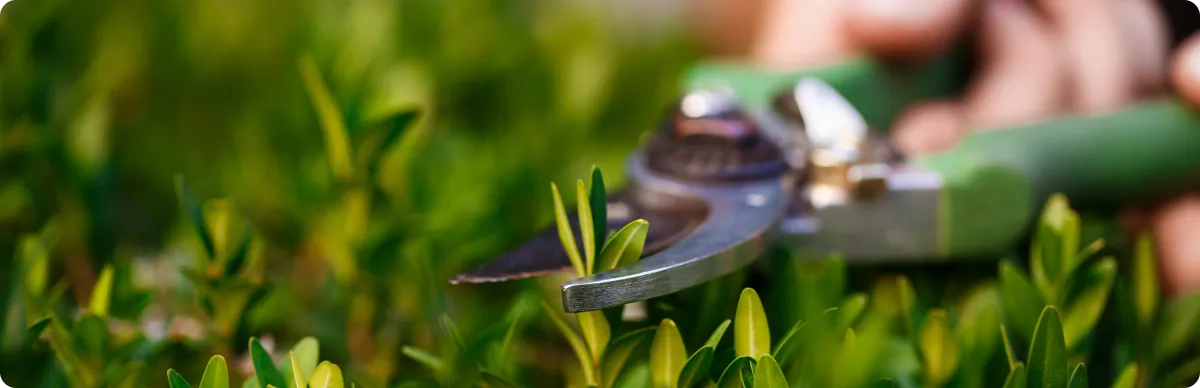
Expert Local Knowledge
Customized Landscape Designs
High-Quality Plant Selection
Eco-Friendly Landscaping Practices
Reliable Maintenance Services
Enhanced Curb Appeal
Bridgetown Flower Planting Types

Perennial Flower Beds
-
Annual Flower Displays
-
Native Wildflower Gardens
-
Seasonal Bulb Plantings
-
Pollinator-Friendly Plantings
-
Shade Garden Flowers
-
Container Flower Arrangements
Our Flower Planting Process
Site Evaluation
Soil Preparation
Flower Selection
Planting
Watering and Mulching
Why Choose Bridgetown Landscape Services
-
Bridgetown Homeowners Trust Us
-
Expert Lawn Maintenance
-
Reliable Scheduling
-
Competitive Pricing
-
Professional Team
-
Satisfaction Guarantee
-
Personalized Service
Soil Series and Drainage Considerations for Flower Planting in Bridgetown
Bridgetown’s predominant soils, as identified by the USDA Web Soil Survey, include Miami silt loam and Rossmoyne silt loam, both of which are moderately well-drained with a pH typically ranging from 6.0 to 6.8. These soils can exhibit compaction in developed areas, affecting root growth and water infiltration. For optimal flower establishment, it is recommended to incorporate 2-3 inches of compost tilled to a 6-inch depth and to conduct a soil test through OSU Extension (typical cost: $15-25). Key soil amendment steps include:
- Lime application if pH is below 6.0
- Sulfur addition for pH above 7.0
- Regular organic matter incorporation Proper drainage is essential, especially in low-lying areas near West Fork Mill Creek. Avoid planting in areas with standing water after rainfall.
Green Township Public Services Department
6303 Harrison Avenue, Bridgetown, OH 45247
Phone: (513) 574-8832
Official Website: Green Township Public Services Department
Seasonal Timing and Weather Guidance for Flower Planting in Bridgetown
Bridgetown is located in USDA Hardiness Zone 6a, with average last frost dates around April 20 and first frost dates near October 20. The optimal window for planting hardy annuals and perennials is April 15 to May 30, when soil temperatures reach 50-60°F. For fall plantings, target August 20 to September 30 to ensure root establishment before winter. Monitor local forecasts through the National Weather Service Cincinnati Office for frost advisories and rainfall patterns. Timing recommendations:
- Spring planting: April 15 – May 30 (soil temp 50-60°F)
- Fall planting: August 20 – September 30
- Avoid planting during June-August heat stress
- Water new plantings 1 inch per week, adjusting for rainfall These guidelines help ensure successful establishment and minimize transplant shock.
Bridgetown Municipal Regulations and Permit Requirements for Landscape Planting
Flower planting projects in Bridgetown must comply with local zoning and property setback requirements, particularly for installations near public rights-of-way or within 25 feet of wetlands. The Hamilton County Zoning Department requires permits for landscape features exceeding 30 inches in height within front yard setbacks. Application fees typically range from $25 to $75, with a review period of 5-10 business days. Key regulatory points:
- Maintain 25-foot buffer from wetlands and streams
- No planting within 10 feet of fire hydrants or utility boxes
- Permit required for raised beds over 30 inches high
- Review Hamilton County Code §4.3.2 for landscape standards
Hamilton County Zoning Department
138 East Court Street, Cincinnati, OH 45202
Phone: (513) 946-4550
Official Website: Hamilton County Zoning Department
Environmental Compliance: Stormwater, Buffer Zones, and State Regulations
All flower planting in Bridgetown must adhere to Ohio Environmental Protection Agency MS4 stormwater permit requirements, which prohibit soil, mulch, or plant debris from entering storm drains. The Clean Water Act mandates a 25-foot no-disturbance buffer from wetlands and perennial streams. Fertilizer and pesticide applications must not occur within 50 feet of water bodies. Compliance steps include:
- Use biodegradable mulch to prevent runoff
- Collect and dispose of plant debris per township guidelines
- Avoid chemical applications before heavy rain
- Maintain buffer zones as marked on site plans Violations may result in fines or remediation orders. For technical guidance, consult Hamilton County Environmental Services.
Hamilton County Environmental Services
250 William Howard Taft Road, Cincinnati, OH 45219
Phone: (513) 946-7777
Official Website: Hamilton County Environmental Services
Selecting Native and Adaptive Flower Species for Bridgetown’s Microclimate
Selecting species suited to Bridgetown’s Zone 6a climate and local soils is essential for sustainable plantings. Recommended native and adaptive perennials include:
- Black-eyed Susan (Rudbeckia hirta)
- Purple coneflower (Echinacea purpurea)
- Wild bergamot (Monarda fistulosa)
- Cardinal flower (Lobelia cardinalis)
- Daylily (Hemerocallis spp.) For partial shade, consider coral bells (Heuchera spp.) and hosta. Deer-resistant options include lavender (Lavandula angustifolia) and Russian sage (Perovskia atriplicifolia). Plant spacing should be 12-18 inches for groundcovers and 18-24 inches for larger perennials. Reference the USDA Plant Hardiness Zone Map for additional guidance. For detailed plant selection and soil test interpretation, contact OSU Extension.
What Neighborhoods Do We Serve Throughout Bridgetown, OH?
- Cheviot View: Features mature trees and moderate slopes, with Miami silt loam soils that require regular organic matter incorporation for optimal flower growth.
- Bridgetown North: Characterized by newer developments and compacted fill soils, necessitating deep soil amendment and careful drainage management for successful plantings.
- West Fork Hills: Proximity to West Fork Mill Creek means higher water tables and periodic flooding; select flood-tolerant species and maintain required wetland buffers.
- Oakdale: Contains a mix of historic homes and established landscapes, with Rossmoyne silt loam soils and partial shade from mature canopy trees.
- Green Township Estates: Larger lots with open exposures, ideal for sun-loving perennials but requiring wind protection for delicate species.
- Covedale: Urbanized area with narrow lots and potential for soil compaction; raised beds and soil testing are recommended for best results.
- Montclair: Noted for its proximity to township parks and recreational areas, with well-drained soils and opportunities for pollinator-friendly plantings.